

Traditional Chinese Acupuncture Benefits
- May 21
- 5 min read
Updated: May 23
When pain keeps returning, sleep feels broken, or your body never quite settles after an injury, it is fair to ask whether there is a better way to treat the cause rather than just managing flare-ups. That is where traditional Chinese acupuncture benefits often stand out. For many people, the value is not only in easing symptoms, but in supporting the body to recover, regulate and function more smoothly over time.
Traditional Chinese acupuncture has been used for centuries as part of a broader system of care focused on restoring balance in the body. In a modern clinic setting, it is often used alongside hands-on treatment and rehabilitation to support pain relief, mobility, recovery and general wellbeing. For people across South Auckland dealing with ongoing tension, injury, headaches, poor sleep or stress-related symptoms, that combination can make a real difference.
What are the traditional Chinese acupuncture benefits?
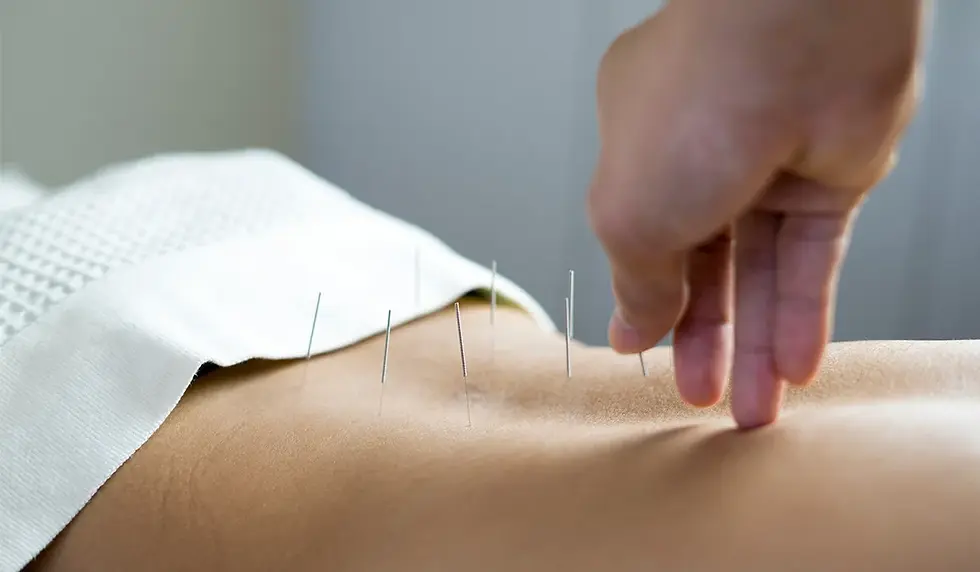
The most recognised traditional Chinese acupuncture benefits relate to pain relief, reduced muscle tension and improved recovery. Fine needles are placed at specific points on the body to influence how the body responds to pain, circulation, inflammation and stress. Many patients describe the result as a gradual shift rather than a dramatic instant fix - less tightness, easier movement, calmer sleep, and a body that feels more settled.
That said, acupuncture is not a one-size-fits-all treatment. The benefit depends on what is causing the problem, how long it has been there, your overall health, and whether treatment is paired with the right rehabilitation, movement advice or lifestyle support. A fresh sprain, for example, may respond differently from long-term neck tension or recurring migraines.
Pain relief that goes beyond masking symptoms
One of the main reasons people seek acupuncture is for musculoskeletal pain. This includes back pain, neck pain, shoulder tightness, sports injuries, joint discomfort and muscle strain. In these cases, acupuncture is often used to calm irritated tissues, reduce pain sensitivity and improve local blood flow.
What matters here is that pain is rarely just about one sore spot. A painful shoulder might involve poor posture, muscle guarding, weakness through the upper back and stress-related tension. Lower back pain might be linked to movement habits, previous injury or overload at work. Acupuncture can help reduce the body’s protective tension, which may make it easier to stretch, strengthen and move properly again.
This is one reason integrated care matters. In a clinic such as AcuPhysioHealth, acupuncture may sit alongside physiotherapy assessment and rehabilitation, rather than replacing them. That approach often gives patients a clearer path forward, especially when pain has become stubborn or recurrent.
Support for injury recovery and rehabilitation
After an injury, recovery is not only about waiting for time to pass. The body needs the right conditions to heal. Swelling, protective muscle tightness, reduced movement and pain-related fear can all slow progress. Acupuncture may help by settling pain and easing muscle guarding, which can make rehabilitation exercises more manageable.
This can be especially useful for ACC patients and anyone working through strains, sprains, overuse injuries or postural issues. If movement feels too sore to begin with, it is harder to rebuild strength and confidence. When symptoms settle enough for someone to move more freely, the rest of treatment often becomes more effective.
It is worth being realistic, though. Acupuncture does not repair every injury on its own. Torn tissue, severe instability or complex long-term conditions usually need a broader treatment plan. The strongest results often come when acupuncture is used as one part of a coordinated recovery strategy.
Headaches, migraines and tension-related symptoms
People living with headaches often know the pattern well - neck tightness builds, stress climbs, sleep suffers, and the headache returns. Traditional Chinese acupuncture is commonly used to help with tension headaches and migraines, particularly where muscular tension and nervous system overload are involved.
Treatment may help reduce the frequency or intensity of headaches for some people. It can also address related issues such as jaw tension, upper back stiffness and poor sleep. For those who feel like they are constantly carrying tension through the shoulders and neck, acupuncture may provide a way to interrupt that cycle.
As always, proper assessment matters. Not every headache is benign, and not every migraine has the same trigger. A careful clinical approach is important, especially if symptoms have changed, worsened or appeared suddenly.
Better sleep and stress regulation
Not all acupuncture patients come in for obvious injury or pain. Some arrive because they feel wound up, tired, restless or flat. Sleep is poor, stress sits high, and the body seems stuck in overdrive. In these situations, acupuncture is often used to support nervous system regulation.
Many patients report feeling deeply relaxed during or after treatment. That does not mean acupuncture is simply a relaxation service. The broader goal is to help the body shift out of a constant stress response so sleep, digestion, recovery and energy regulation can improve.
This can be valuable for busy adults, parents and older clients who have been running on tension for too long. If your body never fully switches off, pain often feels worse, healing tends to be slower, and everyday function can become harder than it should be.
A more holistic view of recurring health concerns
Another reason people are interested in traditional Chinese acupuncture benefits is that treatment does not look at symptoms in isolation. In Traditional Chinese Medicine, patterns of imbalance matter. That means a practitioner may consider sleep, energy, stress, digestion, circulation and pain together rather than treating each as a separate problem.
For some patients, this wider lens is what has been missing. They may have tried short-term solutions that eased one symptom but did not change the bigger picture. A holistic assessment can be particularly helpful when issues overlap, such as chronic pain with fatigue, headaches with poor sleep, or muscular tension linked with stress and low energy.
That does not mean every complex health concern can be solved quickly with acupuncture. It means the treatment plan is more personalised, and often more realistic about how different systems in the body affect one another.
What treatment usually feels like
A common concern is whether acupuncture hurts. Most people are surprised by how gentle it feels. The needles used are very fine, and sensations vary from person to person. You may notice a mild ache, warmth, heaviness, tingling or almost nothing at all. Once the needles are in place, many patients relax deeply.
The first session usually involves a thorough discussion about your symptoms, health history and treatment goals. In a multidisciplinary setting, that may also include movement assessment, muscle testing or advice on recovery strategies. From there, treatment is tailored to the individual rather than applied as a standard routine.
Some people feel improvement after one session, especially with acute tension or recent flare-ups. Others need a course of treatment before change becomes more noticeable. Long-standing problems often require patience and consistency.
When acupuncture may be worth considering
Acupuncture may be worth considering if you have recurring pain, muscle tightness, headaches, stress-related symptoms, poor sleep, or if recovery from injury feels slow or incomplete. It can also suit people who want a non-invasive treatment option or who are looking for care that supports both physical recovery and overall balance.
It may be particularly helpful if you are tired of chasing short-term relief. When treatment is focused only on the symptom of the week, the pattern often repeats. A broader plan that includes acupuncture, physiotherapy, exercise and practical self-care advice can be more useful for lasting change.
The right question is not whether acupuncture does everything. It is whether it could play a meaningful role in your recovery. For many people, the answer is yes - especially when treatment is personalised, evidence-informed and part of a clinic approach that looks at the whole person.
If your body has been asking for attention for a while, listening early often leads to better results than pushing through and hoping it settles on its own.


Comments